Friend of Sportball and Olympic athlete Elli Overton is here to share her POV on success with parents of young athletes. Whether your child is just getting started or has already been battling with the age-old emotions of what it means to “win”, this article is for you:
The Gifts and the Scars of Sports
As a 3-time Olympic swimmer for Australia, I stayed at the very top of my sport for nearly a decade. I received many benefits from my sport that have lasted me a lifetime. I came away with all the skills and advantages you expect kids to get out of sports: dedication, teamwork, time management, commitment, attention to detail, leadership. All the good stuff!
I also walked away with some scars: scars from the way I had motivated myself through self-criticism, and scars from not achieving my dreams and never really feeling satisfied with myself. It’s taken me a long time to heal those scars. It’s taken 30 years of adulthood to truly feel proud of myself. As I have finally learned to grapple with those scars and mend them, I want to help shape the next generation in the hope that they don’t repeat the mistakes I made.
I believe we all have inherent worth, that we are all unique, and that we all have gifts to share. We all deserve to feel proud of who we are.
Our Society and Systems Are a Pressure Cooker
Our kids are growing up in an achievement-focused society. They’re receiving messages all day, every day, about things like winning, grades, prestige, and body image, just to name a few.
The systems around us are all performance-oriented. From schools and universities to sports organizations and the arts, you’ll find grades, medals, rankings, and percentiles. Everything is being measured; everyone is being compared.
As parents, we have the ability to either amplify the pressure our kids feel or mitigate it. As the people closest to them, we have the responsibility to help our kids manage the pressure in their lives.
And let’s face it, we are not immune. Adults are under many of the same pressures as our kids. We are also being measured and compared. We need our own ways to cope with this achievement culture we live in, especially if we hope to model those coping skills for our kids.
My TEDx Talk and Sportball
Earlier this year, I decided a TEDx talk would be a great way for me to share my perspective and lessons with the world.
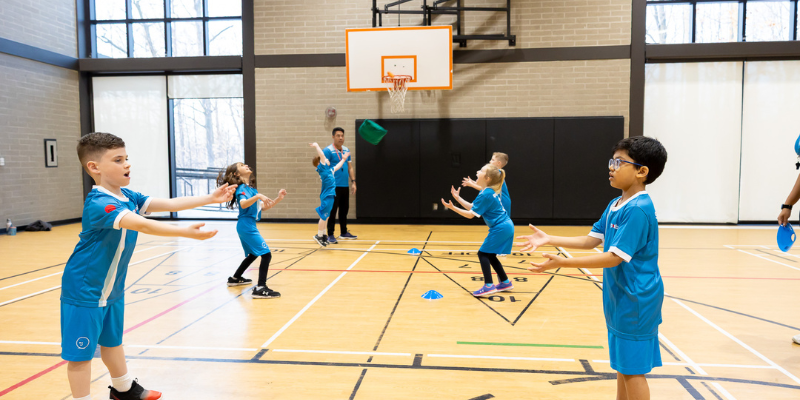
I talk about Dr. Carol Dweck’s concept of growth mindset, which is built into the Sportball methodology. Sportball was built on the premise of removing the achievement focus from sports, introducing sports to kids in a developmentally appropriate way, and making it about fun.
In my TEDx talk, I discuss redefining success and failure so we have definitions that are mentally healthier for the next generation. Sportball instills the same definitions of success and failure that I talk about: seeing success as a process and failure as an opportunity to learn.
Kudos to you for choosing Sportball as an introduction to sports for your kids! They’re off to a healthy start.
Parenting Pro Tips: Awareness and Connection
Our Own Self-Awareness
When I work with sports parents, they often want to know what to say to their kids in the car on the way to a competition. If you put that question into Google or AI, you’ll get some great suggestions, things like, “I love to watch you play!” Now, I have no issue with you saying that to your kids. I think it’s a lovely message. It shows you love them, it refers to sports as play (which reinforces fun), and it’s a healthy, low-pressure sentiment.
However, if you say, “I love to watch you play,” as you drop your kids off at their game, but then scream at the TV when your college football team is losing, your kids are going to experience some confusion!
Our kids are always watching and learning from us. We are their biggest role models. If our actions don’t match our words, they’ll usually trust our actions more.
As I mentioned above, we all grew up in systems of pressure as well, so we were likely shaped by influences and messages around winning and performance, just as our kids are. Perhaps some of us need to examine our own attitudes toward success and failure before we can effectively model and discuss them with our kids.
Awareness of Our Kids
Your kids have already formed ideas around success and failure. I once had a five-year-old ask me if I won a gold medal when they learned I went to the Olympics!
An important first step in helping your kids develop healthy definitions of success and failure is understanding how they already define those terms for themselves. It also helps to be aware of how self-critical they are so you can work on that with them as well.
I used to teach swimming and had a seven-year-old who was just beginning to learn butterfly say, “I am TERRIBLE at this!” My answer was, “No, sweetie, you’re just new to learning it.”
When we listen and pay attention to our kids, we create opportunities for important conversations that can guide them toward healthier attitudes.
Connection: Listening and Loving
Listening
I kind of gave this one away already—let’s really listen and pay attention to our kids.
We often want to coach and offer suggestions without first learning what our kids thought of their own performance. Get curious and get connected before trying to give pointers. This applies to any age group.
We can also be a receptacle for our kids when they just need to vent their frustration. Dr. Michelle Natinsky, a parenting expert, once told me to think of myself as my kid’s trash can. If they need to let out frustration, disappointment, and/or anger, you can hold space for that without lecturing them. Then you can both throw those emotions away. Letting it out and feeling heard helps your kiddo move more quickly into their logical brain, where they can better assess what actually happened and learn from it.
Loving
Our kids need to feel loved for who they are, not for their results. Telling your kids you love them isn’t something you can overdo. Make sure they know you love them—win or lose, rain or shine.
Your loving connection with your kids is something I hope you’ll have for a lifetime. If parents push their kids and leave them feeling like they’re never good enough, that can create a chasm between parent and child that becomes hard to bridge.
Being too hard on your kids can also contribute to low self-esteem and a myriad of issues later in life.
This is my easiest tip because we all love our kids! We just need to make sure they know it every day.
Parting Thoughts
Sports are a great place for our kids to learn important life lessons. Because our culture is centered around achievement, the performance culture of sports can actually be a great way to prepare kids for life, whether they continue with sports as they get older or not.
What I want for you is for your kids to receive all the benefits of sports that I received, but without the scars.
You can’t start too early with healthy definitions of success and failure, and you can’t start building a loving connection with your kids too early, either. When our kids are little, none of us know whether we have the next Serena Williams or Michael Phelps at home. But the messages I share here aren’t just for elite athletes. These messages can help your kids reach THEIR peak, in whatever field ultimately fills their hearts with joy.
Elli Overton is a three-time Olympic swimmer for Australia and two-time world short course champion, now dedicated to helping others thrive in life and sport. She is currently pursuing her master’s degree in professional counseling at Texas State University, with the goal of becoming a licensed marriage and family therapist.
In addition to her corporate speaking, Elli founded Peak Parent Performance LLC, which is dedicated to helping sports organizations. Through speaking, workshops, and one-on-one consulting, she helps sports parents support their young athletes’ success while maintaining balance, confidence, and joy.
If you’d like Elli to speak at your organization, or you’d like individual parent consulting, you can reach her through her website, ellioverton.com. Elli welcomes your feedback and thoughts on this article and her TEDx talk, so please reach out!