Building Physical Literacy Through Multi-Sport Play
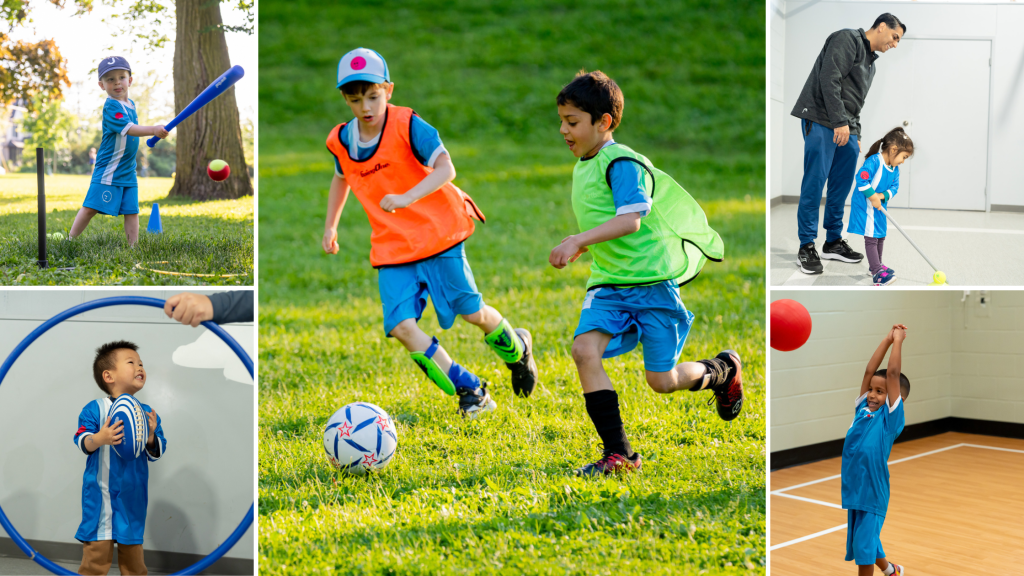
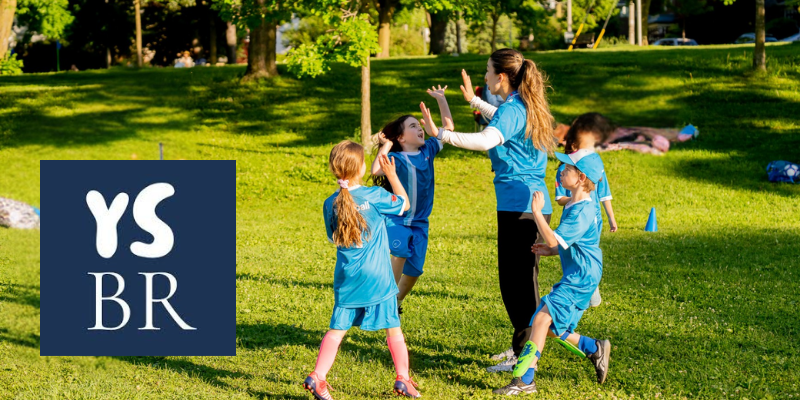
Sportball’s program model centers on exposing children to multiple sports within single sessions rather than early specialization. Children ages 16 months to 12 years rotate through up to eight different sports, with curriculum designed around early childhood education principles and physical literacy development.
The Toronto-based company launched in 1995 with a focus on making sports accessible and enjoyable for young children. Programs emphasize skill development through play rather than competition, a contrast to traditional youth sports structures that often introduce scorekeeping and rankings at early ages.
“Our Sportball programs are intentionally designed to support kids’ physical, social and emotional growth,” said Quinten Griffiths, CEO of Sportball. “By leading with fun over final scores, we give kids a place to simply enjoy movement and play, whether it’s their only athletic outlet or a complement to competitive sports.”
Current U.S. Presence and Expansion Timeline
Sportball currently operates in seven U.S. markets: Boston, Brooklyn, Phoenix, South Bay California, Austin, Katy, and North Houston. The company plans to launch in San Antonio later in 2026.
The expansion builds on Sportball’s established footprint in Canada, where it holds a leadership position in youth sports programming. The company also operates locations in Singapore and India, bringing its total to more than 900 sites globally.
“The U.S. is a natural fit for Sportball, with so many kids looking up to their favorite athletes,” said Jason D’Rocha, Vice President and Growth Coach of Sportball. “At Sportball, we’re offering a way for kids to learn, grow and excel at sports in a positive and fun environment that allows them to experience the joy of play.”
Market Context and Growth Drivers
The North American youth sports industry reached $37.5B in 2022 and is projected to grow to $69.4B by 2030. This growth creates favorable conditions for organizations offering alternatives to traditional competitive youth sports models.
Research from the American Academy of Pediatrics indicates that 70% of children quit organized sports by age 13. Sportball positions its multi-sport, non-competitive approach as a response to burnout and dropout rates associated with early specialization and pressure-focused environments.
The company also references data showing that while 17% of parents expect their children to compete professionally, less than 2% of NCAA athletes reach professional levels.
Franchise Model Supports Geographic Scaling
Sportball uses a franchise model to expand its geographic reach, allowing local owners to operate programs in their communities. The company provides curriculum, training, and operational support to franchisees.
Franchise territories include partnerships with schools and community centers, giving operators multiple venue options for program delivery. The model supports both standalone program operators and those seeking to add youth sports programming to existing facilities or organizations.
A Measured Approach to Youth Sports Development
Sportball’s expansion reflects growing interest in alternatives to early specialization and competition-focused youth sports. The company’s emphasis on multi-sport exposure and developmental appropriateness aligns with research on long-term athletic development and injury prevention.
With 700,000 children served to date and operations across four countries, Sportball has established proof of concept for its model. The U.S. expansion tests whether demand for non-competitive, multi-sport programming can scale beyond the company’s Canadian base.
– Youth Sports Business Report
Link to article: https://youthsportsbusinessreport.com/sportball-expands-multi-sport-non-competitive-model-across-u-s-markets/