Seventy percent of children quit organized sports by age 13. The two systems most responsible for keeping them active, schools and organized youth sports, have each played a role in that number, and the data behind both tells a complicated story.
American schools have been reducing physical education (PE) for the past two decades. Nearly half of school administrators (44%) reported cutting significant time from PE and recess. The repercussions are evident in the data: only 26% of high school students attend PE five days a week. The requirement for PE drops from 97% of schools in 6th grade to just 43% by 12th grade. By their senior year, fewer than half of students participate in any structured physical activity through their school. Youth sports stepped into that gap. The results have been mixed.
When Specialization In Youth Sports Becomes The Problem
The consequences of early specialization in youth sports are evident in both rising surgery rates and dropout rates. Between 2000 and 2023, the number of Tommy John surgeries among youth baseball players rose by 500%. The market-has-a-retention-problem. Similarly, ACL tears in athletes aged 6 to 18 have increased by 400% over the past two decades. Additionally, stress fractures among young athletes have surged by 56% since 2010. These injuries are primarily due to overuse, with kids engaging in too much of one sport too early and lacking the physical foundation to support it.
The Youth Sports Market Gap Nobody Named
In previous years, children participated in a variety of sports in low-pressure environments, allowing them ample time to explore their interests. This observation isn’t just nostalgia; it is backed by developmental research. Physical literacy—the essential ability to move confidently across different activities—is developed through diverse experiences and play, rather than through early specialization. This gap in the youth sports experience also presents a business opportunity. The North American youth sports market is currently valued at $37.5 billion, with projections indicating it could reach $69.4 billion by 2030. A significant part of this growth will benefit those who address the retention issue, as the industry is currently losing many young participants before they even reach high school.
What A Different Youth Sports Model Looks Like
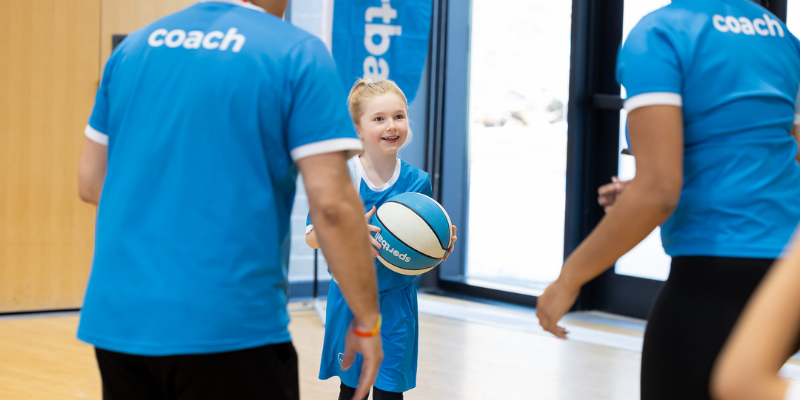
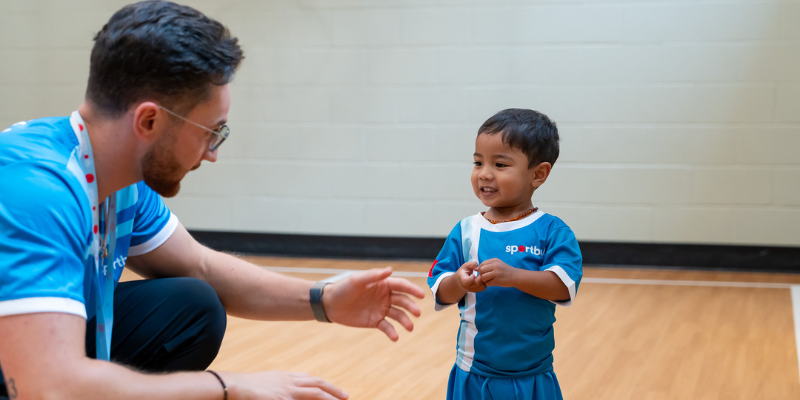
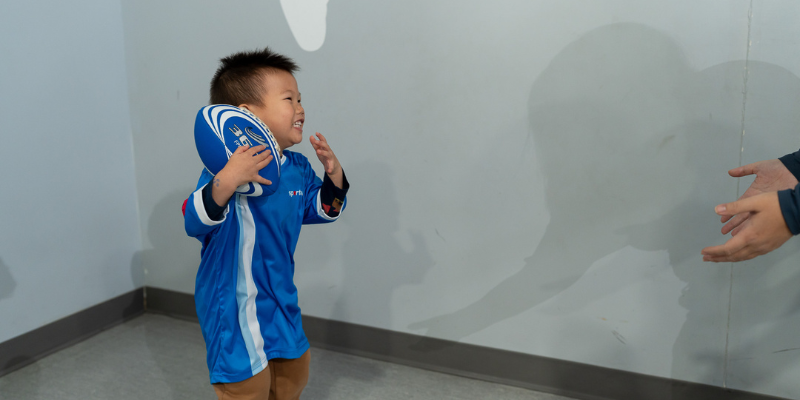
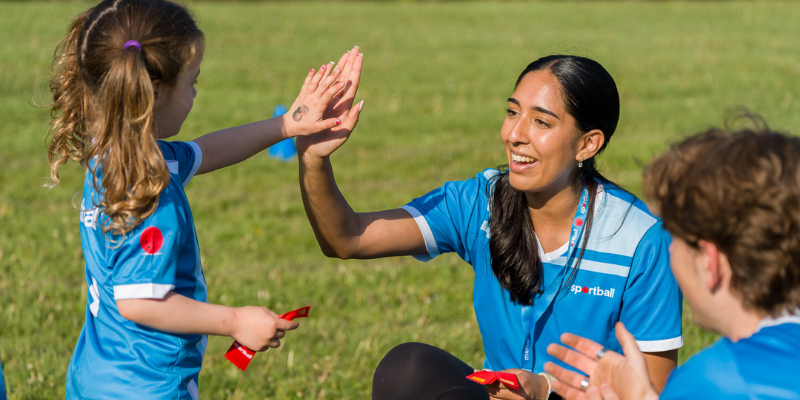
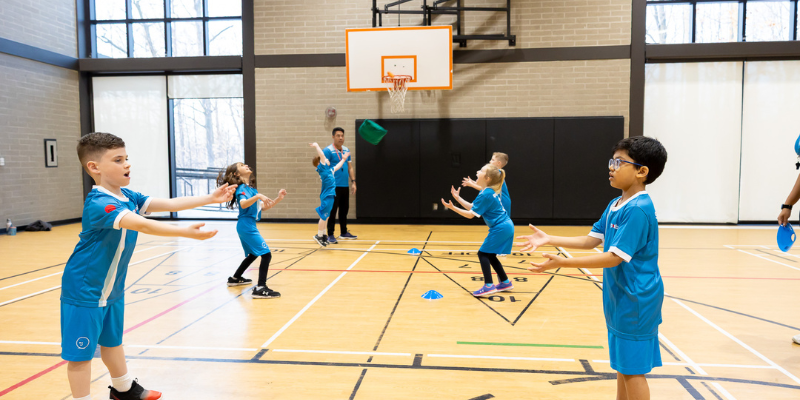
Sportball, founded in Toronto in 1995, sees itself as a better alternative to today’s pressure-filled youth sports programs. Catering to children aged 16 months to 12 years, Sportball offers multi-sport programs that include soccer, T-ball, basketball, tennis, volleyball, football, golf, and hockey. The focus is on promoting physical literacy and variety, and on ensuring that youth sports remain genuinely enjoyable. There is no competition, no pressure to specialize, and no single-sport identity imposed starting at a young age.
“We want to help kids build a lifelong love of movement,” said Jason D’Rocha, Vice President of Sportball. “Once they discover the sport they love, they can pursue it with confidence and stay engaged for years to come.”
Sportball operates through schools, community centers, and parks rather than through expensive dedicated facilities. This approach keeps overhead costs low and access more widespread. Currently, Sportball has over 900 locations in four countries, including eight U.S. markets, serving more than 70,000 children each year. The curriculum is designed in alignment with research on the development of cognitive, social, and motor skills.
Alyssa and Mica Villalon of Austin, Texas, joined Sportball in 2005 as coaches at its first U.S. location. They spent seven years learning the model before buying the Austin franchise in 2012. This summer, they opened Sportball San Antonio East, the brand’s fourth Texas franchise, becoming multi-unit operators after two decades of deliberate investment in the business. Their path is instructive: not a fast franchise flip, but a long bet on a mission they understood from the inside before they scaled it. The Villalon story reflects a broader pattern D’Rocha sees across the Sportball network.
“We’re creating opportunities for coaches and entrepreneurs to earn a real living doing what they love,” he said, “building careers that are sustainable and rooted in our purpose.”
Youth Sports Needs A Structural Response
Schools are unlikely to quickly restore their physical education programs, as budget constraints and accountability based on test scores remain persistent issues. Additionally, the competitive culture within youth sports is unlikely to improve on its own without financial incentives. However, families opting out or seeking alternatives are creating significant market demand for programs that focus on developmental science rather than an early emphasis on elite selection.
– Sarah Hernolm, Forbes. Link to article: https://www.forbes.com/sites/sarahhernholm/2026/06/22/the-375-billion-youth-sports-market-has-a-retention-problem/