At a glance:
- Kids stay in sport when it’s fun, when they feel capable and when they have friends there.
- Starting with play-based, multi-sport activities builds the skills and confidence that keep children playing later.
- Playing several sports doesn’t hold back future athletes; it lowers the risk of burnout and overuse injury.
- How you talk about sport, especially after a game, shapes how your child feels about it.
- Rest, downtime and a say in their own choices help children keep loving the game.
The best way to keep kids in sport for longer is to protect what makes them want to play in the first place: fun, a sense of progress and friends to share it with. That starts earlier than most parents think, with how children are introduced to sport, and continues through how coaches and parents handle effort, pressure and rest.
In the United States, the Aspen Institute’s State of Play 2019 report found that the average child plays a sport for less than three years and quits by age 13, usually because they stop enjoying it. (We look at the reasons in more detail in why kids quit sports.) The good news is that most of those reasons are things adults can change. Here’s how.
1. Start with play, not competition
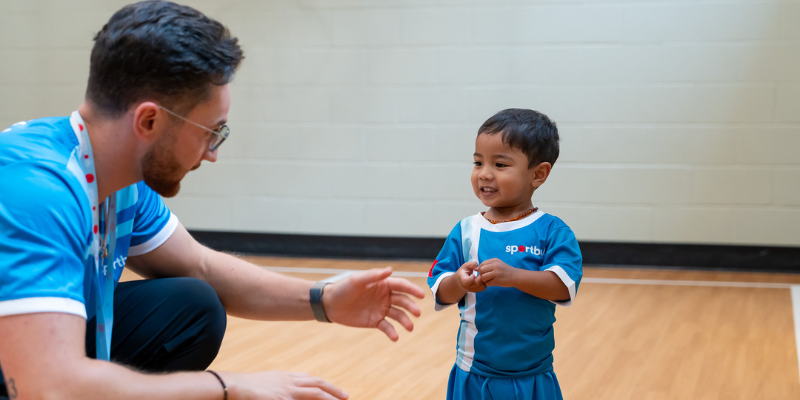
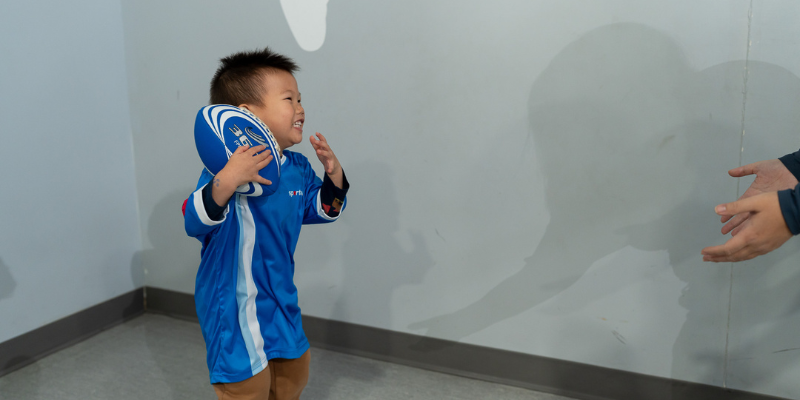
Children who enjoy their first experiences of sport are more likely to keep coming back. For toddlers and preschoolers, that means play-based classes that build running, throwing, catching and kicking through games, not scoreboards. A three-year-old “waking a sleeping dinosaur” or “launching a rocket” with a soft kick is building the same skills they’ll use in soccer or basketball later, and learning that moving their body is fun.
The American Academy of Pediatrics notes that most children aren’t developmentally ready for the complex rules and competition of organized sports until around age 6. Keeping competition light until then, and introducing it gradually after, lets children build the skills and confidence to enjoy it when it comes. Our guide on when kids should start sports explains what to look for at each age.
2. Let them try lots of sports
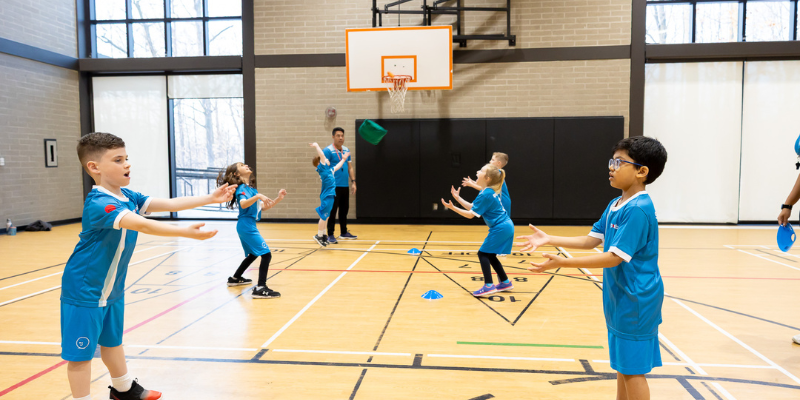
Sampling several sports keeps things fresh, builds a wider range of movement skills and helps children discover what they love. It also protects their bodies. The American Orthopaedic Society for Sports Medicine’s consensus statement on early specialization found no evidence that young children benefit from specializing early in most sports, and concluded that early multisport participation won’t hold back long-term competitive success.
If you’re hoping your child will one day play at a high level, that’s reassuring: variety now doesn’t cost them later. The Sport for Life Long-Term Development framework recommends sampling many sports and not over-specializing until the early teens, except in a few early-specialization sports such as gymnastics. Read more about the benefits of multi-sport programs and how many sports kids should play.
3. Praise effort, not outcomes
Praising effort and improvement can help children keep going when things get difficult. When praise is only about goals and wins, children can start to feel that their value depends on the score.
Be specific: “I loved how you kept chasing the ball” or “You tried that new move three times” means more than “Good game.” Treat mistakes as a normal part of learning, and share your own. Our tips on building confidence in kids have more ideas.
4. Keep the car ride home positive
The ride home is often when a child decides how they feel about the game. Let them lead the conversation. If they want to talk, listen more than you speak; if they don’t, that’s okay too. Save any coaching points for another day, or leave them to the coach.
Three phrases that work at any age:
- “I love watching you play.”
- “What was your favourite part?”
- “Who did you have fun with today?”
5. Let them have a say
Children stay motivated when the choice to play feels like theirs. Let them help choose which activities to try, and, as they get older, involve them in decisions like which season to sign up for or whether to try a new team. Small jobs build ownership too: packing their own bag, filling their water bottle or telling the coach how they’re feeling.
It’s natural to hope your child loves the sports you loved. Share your enthusiasm, but let them find their own path.
6. Choose coaches who put development first
Coaches have a big influence on whether children stay. In the same Aspen Institute report, parents said the biggest source of pressure their child felt came from coaches, and fewer than 30% of youth coaches had been trained in the past year in areas like first aid, safety or motivational techniques.
When you’re comparing programs, look for coaches who are trained to work with children, give everyone a chance to play and focus on skills and fun over winning. Ask how coaches are selected and trained; our list of questions to ask before signing up can help. At Sportball, coaches are trained through our coach education and certification program, and every coach has First Aid/CPR training and a background check.
7. Make friends part of the plan
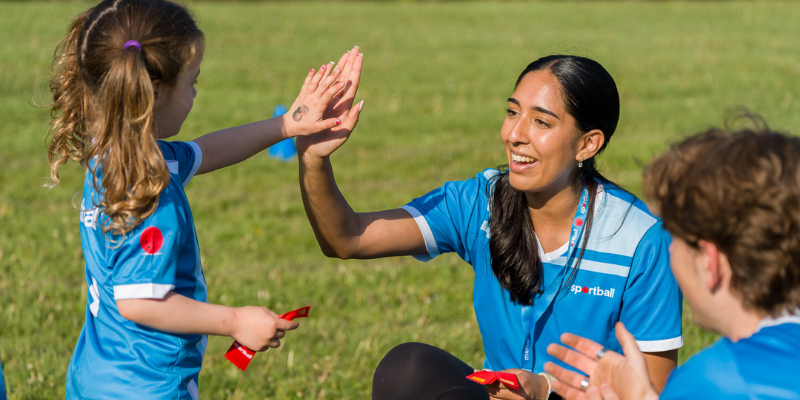
For many children, friends are a big reason to show up. Help them build connections: arrive a few minutes early so they can chat, invite a teammate for a playdate, or organize a simple post-game snack. For younger children, signing up with a friend can make a new activity feel much less daunting.
A welcoming, non-competitive environment also helps every child feel they belong, whatever their skill level.
8. Protect rest and downtime
Busy schedules can turn a fun activity into a chore. The American Academy of Pediatrics recommends that young athletes take at least one to two days off a week and two to three months off from a specific sport each year, and that weekly hours in organized sport shouldn’t exceed a child’s age in years. For an eight-year-old, that’s no more than eight hours a week.
Leave room for unstructured play, time with family and simply doing nothing. A child who has space to miss their sport is more likely to come back to it eager.
9. Spot burnout early
| Normal tiredness | Possible burnout |
|---|---|
| Gets better after a good night’s sleep or a day off | Doesn’t improve with rest |
| Still looks forward to practice | Dreads practice or makes excuses to miss it |
| Normal muscle soreness | Frequent small aches and injuries |
| Performance dips now and then | Loses interest in the sport they used to love |
If you see the signs, talk with your child, cut back the schedule and consider a break or a change of sport. Stepping away for a season isn’t failure; it’s often what lets children come back refreshed.
What keeping it fun looks like at every age
What keeps a child in sport changes as they grow. Fun for a toddler is exploring and moving; fun for a 10-year-old is getting better, feeling part of a team and having some say. Use this as a quick guide to what matters most at each stage.
| Age | What makes it fun | What you can do | Watch out for |
|---|---|---|---|
| Toddlers (16 months-3) | Moving, exploring, imaginative games, a grown-up close by | Choose parent-and-child classes, join in, celebrate every try | Expecting them to follow rules or stay on task for long |
| Preschool (3-5) | Trying lots of activities, simple games, making friends, doing things “by myself” | Pick play-based, multi-sport classes; praise effort; let them choose between activities | Scores, rankings or early pressure to pick one sport |
| Early school age (6-9) | Learning real skills, simple rules and teamwork, playing with friends | Introduce organized sport gradually; keep trying different sports; keep car rides positive | Too many practices, long seasons, adult-style competition |
| Older kids (10-12) | Seeing progress, being a valued teammate, having a say in goals and schedule | Involve them in decisions; protect rest days and off-seasons; watch for burnout | Year-round single-sport training and too much focus on results |
For the youngest children, a parent-and-child class is a gentle way to start. Our classes follow this kind of progression, with skills and games that change as children grow: from turn-taking and following simple instructions in the youngest classes to teamwork, game rules and leadership for older kids. Our overview of how we build life and social skills by age explains more.
Frequently asked questions
What should I do if my child wants to quit a sport?
Start by listening without judgment to find out why: a conflict with a teammate, too much pressure, a busy schedule or simply losing interest. Many families agree to finish the season if it’s safe and healthy to do so, then decide together what’s next. For more guidance, see our article on why kids quit sports.
Does playing many sports hurt my child’s chances of excelling at one?
No. Experts in sports medicine found no evidence that early specialization helps young children succeed in most sports, and concluded that early multisport participation doesn’t hold back long-term competitive success. Variety builds broader skills and lowers the risk of burnout and overuse injuries.
How much sport is too much for a child?
A common guideline from the American Academy of Pediatrics is that weekly hours in organized sport shouldn’t exceed a child’s age in years, with at least one to two rest days a week. Watch for signs of burnout, like dreading practice or losing interest, and adjust the schedule if you see them.
When should my child start competitive sports?
Most children aren’t ready for the complex rules and competition of organized sport until about age 6. Before then, play-based activities that build fundamental skills are a better fit. After 6, competition can be introduced gradually, as your child shows interest and emotional readiness.
How can I keep sport fun for a child who isn’t the most athletic?
Focus on personal progress, effort and friendships rather than comparisons with other kids. Choose programs that give everyone equal time to play and celebrate small wins. Every child develops at a different pace, and early ability isn’t a reliable guide to who will enjoy sport for life.
Build a love of sport that lasts
Keeping kids in sport isn’t about raising a champion. It’s about helping them enjoy moving their bodies, feel good about their progress and want to come back. Start with play, keep it varied, praise effort, protect rest and choose coaches who put your child’s development first.
Sportball’s play-based, multi-sport classes for children from 16 months to 12 years are designed to give kids that strong, joyful start. When you’re ready, you can find a Sportball class near you.